
Working Outdoors in January: Murals, Weather, and Winter Light
Introduction
January is not an obvious month for outdoor mural painting, but it is an important one for planning, preparation, and understanding how a mural will live within its environment.

Connecting Community and Art
Public murals connect place and story, designed to feel meaningful and appropriate within the spaces they occupy
Why Winter Matters for Outdoor Murals
Working outdoors in winter brings a different pace. Light is lower, colours behave differently, and surfaces respond more slowly to temperature and moisture. These conditions shape how outdoor murals are designed and scheduled, and they influence decisions long before any paint reaches a wall.
Observing the Space
For outdoor murals, winter is often a time for observation rather than execution. It's a chance to understand how a space feels in quieter months — how people move through it, how light falls across the wall, and how surrounding trees, buildings, or landscapes change the atmosphere. These observations inform design choices that will still feel appropriate once the space is busier in spring and summer.
Key observations during winter months:
Foot traffic patterns and how people use the space
Natural light movement throughout the day
Impact of surrounding landscape and buildings
How the wall responds to weather exposure
Weather & Practical Considerations
From a practical point of view, weather plays a key role. Cold temperatures, high moisture, and limited daylight can affect drying times and surface preparation. For this reason, many outdoor murals are planned in winter and painted when conditions are more stable. This ensures durability and longevity, particularly for murals in public or high-exposure locations.
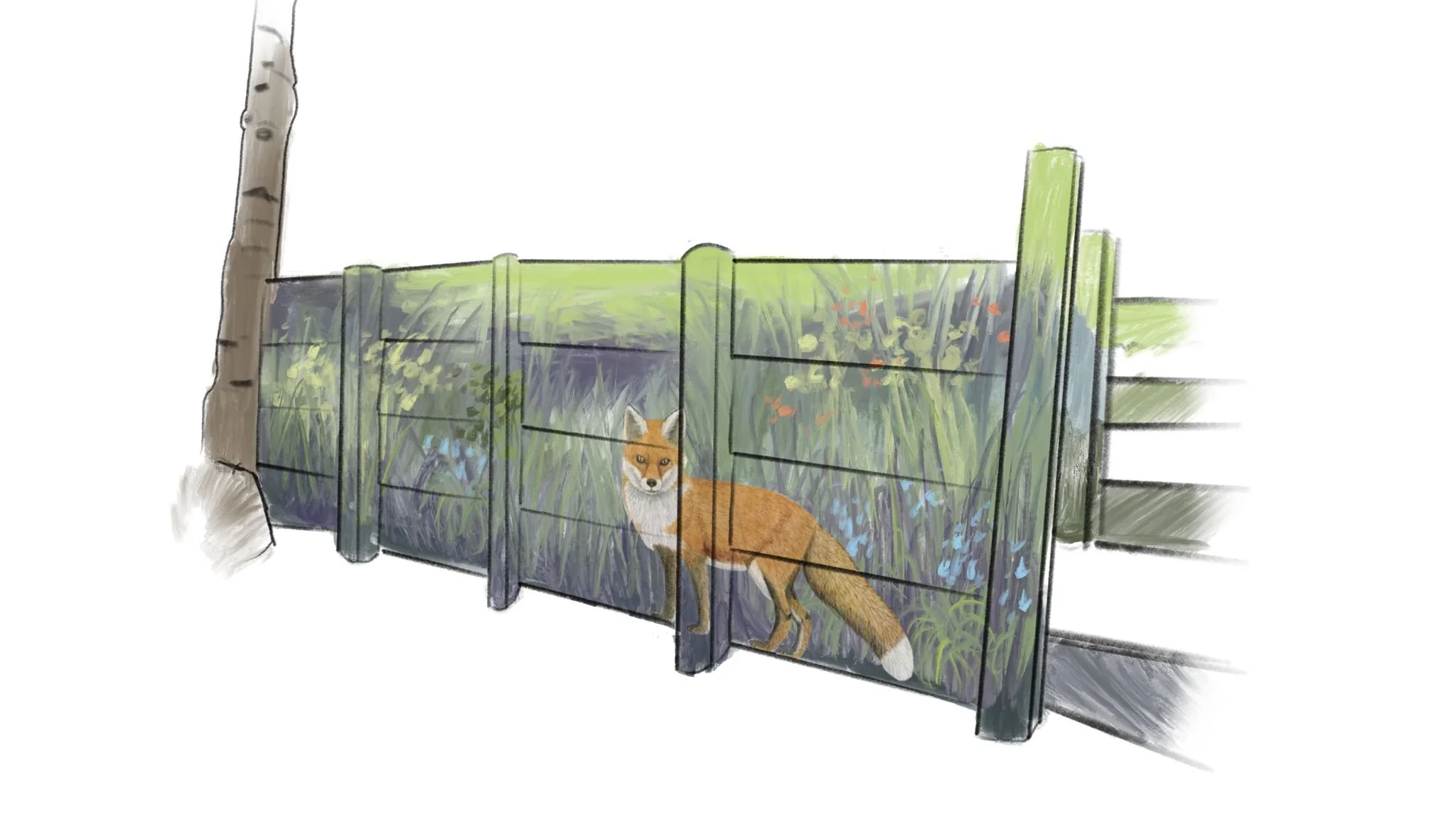
Weather factors that influence outdoor murals:
Moisture levels and surface preparation
Daylight hours for painting
Long-term weatherproofing requirements
Temperature and drying times
The Value of Early Conversations
January is also a useful time for conversations. Councils, schools, and organisations often use the early months of the year to plan projects ahead. Discussing ideas now allows time to consider context, materials, and schedules without rushing decisions. Outdoor murals benefit from this slower approach, where design responds carefully to place rather than being imposed on it.
Benefits of planning ahead:
Time to develop design concepts that suit the location
Opportunity to secure budgets and permissions
Flexibility to schedule painting during optimal conditions
Space for community input and collaboration
Looking Ahead
Although the painting itself may happen later in the year, winter plays an important role in shaping outdoor mural projects. It's a season for looking closely, planning thoughtfully, and allowing ideas to develop in response to the environment they will eventually become part of.
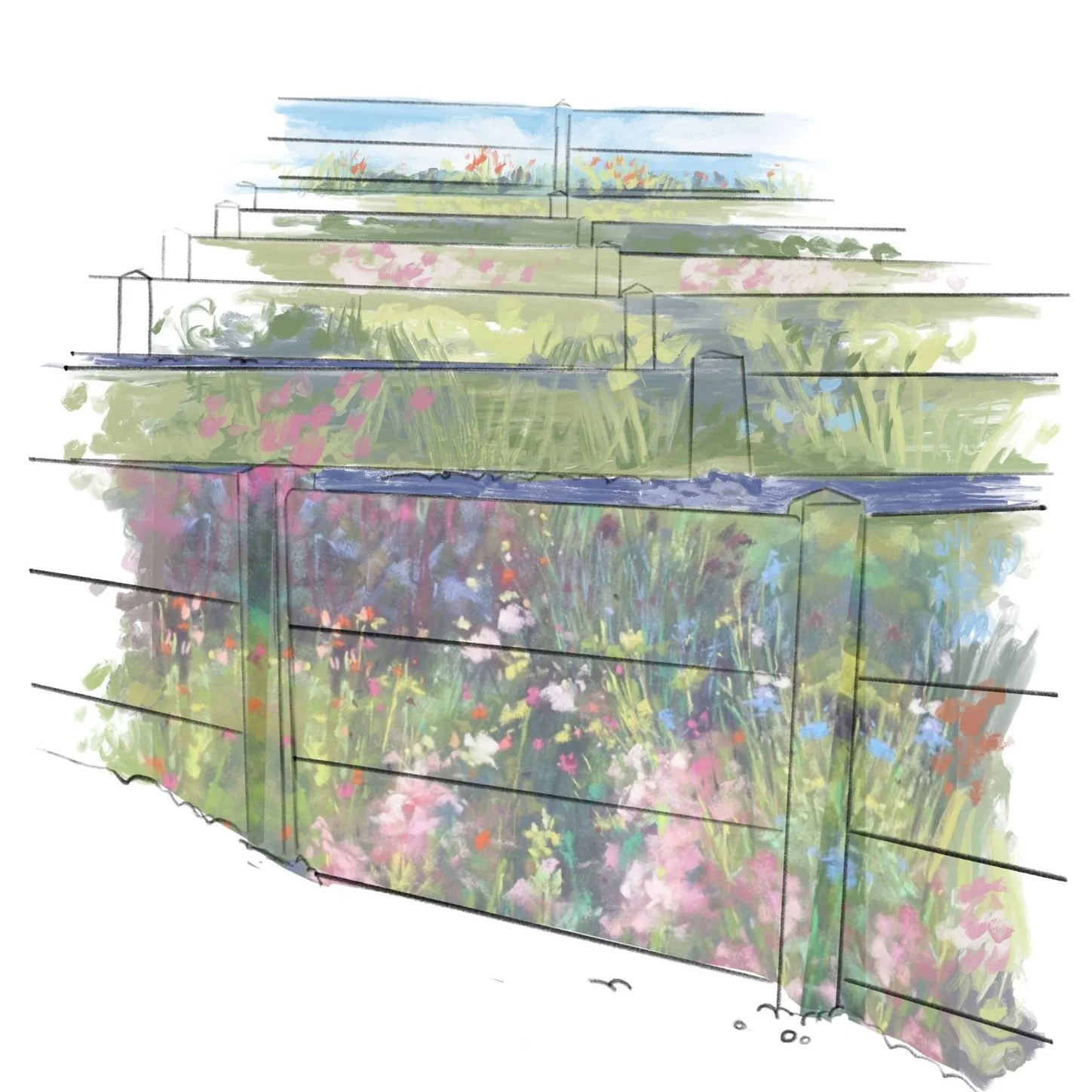
Mock up sketch
Design development begins with understanding the space and considering light, scale, and how planting or landscape features will frame the finished mural.
Ready to Plan Your Outdoor Mural?
If you're considering an outdoor mural for a public, community, or commercial space later in the year, January is an ideal time to start planning. Early conversations allow time for thoughtful design that responds to your space and stands the test of time.
Get in touch to discuss your project | View outdoor mural portfolio | How mural projects work